
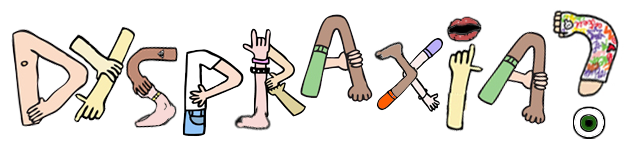
Developmental coordination disorder (DCD), also known as developmental dyspraxia, is a neurological condition that begins in childhood. It can affect the planning of movements and co-ordination due to brain signals not being transmitted accurately to the body.
The word ‘dyspraxia’ comes from the Greek dys- meaning ‘difficulty’ and -praxia or more specifically “praxis” meaning ‘control of movement’.
Many of the difficulties that manifest in childhood can persist into adulthood. Problems are not only physical as memory problems, especially working memory, can also be present. Dyspraxia can also affect organisation, planning, time management and orientation. People assessed as dyspraxic may take longer than expected to learn new things as a result of these difficulties.
Dyspraxia has nothing to do with intelligence but many people with dyspraxia get overlooked in mainstream education as it doesn’t always affect reading and spelling. Dyspraxia/DCD as a neurological condition that can cause difficulties has only been recognized over the past 20 years so there are many adults who were undiagnosed and reprimanded for being messy, untidy and late for things. Up to 50% of dyspraxics are assumed also to have ADHD or overlapping dyslexia, dyscalculia and autistic spectrum disorders (ASD).
Dyspraxia Traits
Gross Motor Co-ordination Skills
- Poor balance; difficulty riding a bicycle or going up and down hills.
- Poor posture and fatigue.
- Difficulty standing for long periods due to weak muscle tone.
- Floppiness or instability around the joints.
- Poor integration of the two sides of the body.
- Difficulty with sports that involve jumping.
- Difficulty speaking smoothly or fluently.
- Poor hand–eye co-ordination.
- Difficulty with team sports, especially those involving catching or batting a ball.
- Difficulties with driving a car.
- Lack of rhythm when dancing or doing aerobics.
- Clumsy gait and movements.
- Difficulty changing direction, or starting and stopping actions.
- Exaggerated ‘accessory movements’, such as flapping the arms when running.
- A tendency to fall, trip, or bump into things and people.
Fine Motor Co-ordination Skills
- Lack of manual dexterity.
- Poor at two-handed tasks, causing difficulties with using cutlery, cleaning, cooking, ironing, craft work, and playing musical instruments.
- Poor manipulative skills.
- Difficulty with typing, handwriting, and drawing. May have a poor pen grip, press too hard when writing, and struggle to write along a line.
- Inadequate grasp.
- Difficulty with dressing and grooming activities, such as putting on make-up, shaving, doing hair, fastening clothes, and tying shoelaces.
Speech and Language
- Poor self-confidence.
- Low self-esteem.
- Difficulty fitting in with peers confidently.
- Difficulty maintaining a positive social status.
- Difficulty maintaining a positive attitude.
- Difficulty interpreting non-verbal actions (e.g. body language) of others.
- Difficulty identifying social strengths and weaknesses.
- Difficulty making and keeping friends.
- Difficulty dealing with unexpected challenges.
Perception of the Senses
- Difficulty understanding and interpreting different senses.
- Poor visual perception.
- Over-sensitivity to light.
- Difficulty distinguishing sounds from background noise.
- Tendency to be over-sensitive to noise.
- Over- or under-sensitivity to touch.
- Over- or under-sensitivity to smell, taste, temperature, and pain.
- Lack of awareness of body position in space, and of spatial relationships.
- Little sense of time, speed, distance, or weight, leading to difficulties with driving and cooking.
- Inadequate sense of direction. Difficulty distinguishing right from left, leading to poor map reading skills.
Learning, Thought, and Memory
- Difficulty planning and organising thoughts.
- Poor memory, especially short-term memory.
- Tendency to be unfocused and erratic.
- Poor sequencing, leading to problems with maths, reading, spelling, and writing reports at work.
- Accuracy issues. Difficulty copying sounds, writing, movements, and proofreading.
- Difficulty following instructions, especially more than one at a time.
- Difficulty concentrating.
- May only do one thing at a time properly, despite trying to do many things at once.
- Slow to complete tasks. May daydream or wander aimlessly.